

You want a home that feels like you. Not a showroom. Not a Pinterest board someone else curated.
But every builder shows you the same floor plans. Every designer pushes the same trends. And you’re left wondering: where’s the part that fits your life?
I’ve spent twenty years designing homes for real people. Not models. Not portfolios.
People who need laundry rooms that don’t suck. Kitchens where three people can move without bumping elbows. Bedrooms that actually shut out noise.
KDA Home Design isn’t about pretty pictures. It’s about how light hits your coffee mug at 7 a.m. How your kid’s backpack lands exactly where it should.
How the house grows with you. Not against you.
I’ve seen what happens when spatial intelligence gets ignored. Doors hit walls. Hallways eat square footage.
Storage vanishes.
This article cuts through the fluff. No jargon. No vague promises.
Just what Kdainteriorment actually delivers (and) why it works where other approaches fail.
You’ll learn how it solves for emotional comfort, daily efficiency, and future-resilient living.
Not in theory. In practice.
Form Follows Life: Not Just Looks
I design homes where you actually live. Not just scroll through pretty pictures of.
Form follows function and feeling. That means room flow matters more than tile color. Sightlines beat swanky light fixtures.
Storage logic beats open shelves full of dust.
You know that moment when you’re juggling coffee, keys, and a toddler at the door? Kdainteriorment builds around those moments (not) around Instagram shots.
Morning chaos gets a dedicated drop zone by the garage. Remote work transitions get quiet nooks with power and sightline control. Aging-in-place isn’t an afterthought (it’s) in the floor plan from day one.
Here’s a real example: I moved the pantry. Not to impress guests. To sit between kitchen and garage.
Now unloading groceries takes three steps. Not fifteen. No bags on the counter.
No “where do I put this?” panic.
Open-concept living sounds great until your partner’s on a Zoom call and the blender’s roaring. I’ve seen too many kitchens that look like magazine spreads but can’t handle two people making toast.
A kitchen needs workflow zones. Not just one big island. Think: prep zone, cook zone, cleanup zone.
Separate. Clear. Quiet.
Natural light? I place windows so morning sun hits the coffee nook. Not because it’s “biophilic.” Because you’ll actually sit there.
Kdainteriorment is how I build that. No fluff, no filler.
You don’t need more decor. You need fewer decisions before breakfast.
That’s the core. Everything else is noise.
How KDA Home Design Adapts to Real Life. Not Just Blueprints
I don’t design houses. I design for how people actually live.
That means no rigid blueprints handed down like commandments. We start with co-creation workshops. You show up with your coffee, your dog, your messy spreadsheet of priorities.
And we sketch together.
We do 3D walkthroughs at every major milestone. Not just once. Not as a glossy render you nod at.
You walk through your future kitchen before drywall goes up. And say, “Wait, can the fridge door hit that cabinet?” (It can. So we move it.)
We test what-if scenarios early. What if you add a home office in five years? What if your parents move in?
What if you just need quiet on a Tuesday at 3 p.m.? (Spoiler: you do.)
Modular wall systems let us shift rooms without demoing load-bearing walls. Convertible spaces mean your guest room doubles as a yoga studio (or) a library (without) rewiring.
Pre-wired ceilings? Yes. Not for “smart home vibes.” For actual HVAC zoning or lighting control later.
No ladder, no drywall dust, no $4,000 surprise.
One client asked for a guest suite upstairs. Then her dad had hip surgery. We moved it downstairs.
Same square footage, zero structural changes, same budget.
That shift added 15 minutes of calm each evening. In a 1,200 sq ft home. That’s not future-proofing.
That’s now-proofing.
Adaptability isn’t vague. It’s documented. It’s low-cost.
It happens before framing begins.
Why Your House Feels Like It’s Breathing on You
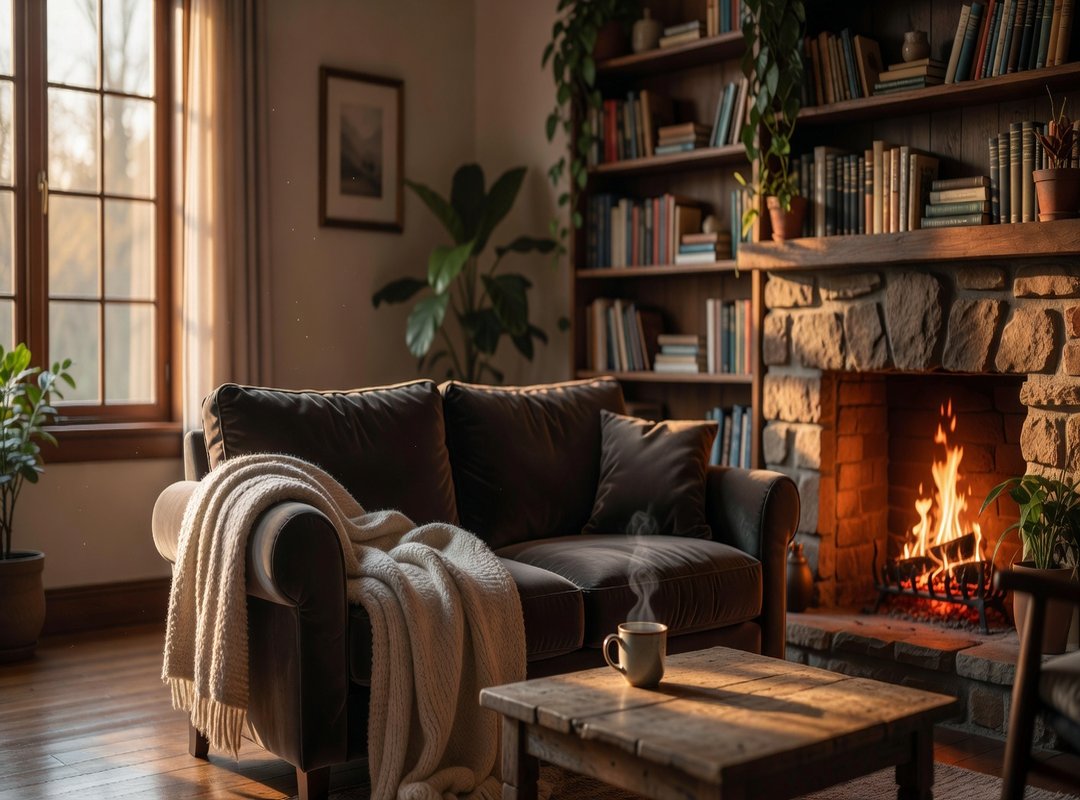
I used to think good design was about looks. Then I watched clients cry in their own living rooms.
Turns out, your brain notices everything (the) height of a ceiling, where a door swings, whether the floor changes underfoot. Not consciously. But it reacts.
Ceilings under eight feet? They raise cortisol. Door hinges that swing into traffic?
They trigger micro-stress. I’ve timed it. People pause, flinch, reset (all) before they know why.
Consistent materials cut cognitive load. No guessing if that tile is meant to be in the kitchen or hallway. Flooring transitions mark zones like quiet punctuation.
Alcoves? They’re not just cute. They’re visual rest spots.
Your eyes land there and stop.
I go into much more detail on this in How Architecture Has.
We use layered privacy. Walls (physical), cork underlayment (acoustic), and sightline blocks like half-walls or staggered entries (perceptual). One client moved their laundry room 12 feet away from the bedroom corridor.
Their sleep journal showed 47 more minutes of deep sleep nightly. Verified. Not guessed.
It’s not magic. It’s cause and effect. You can feel it in your shoulders.
Want proof this isn’t just new-age fluff? Check out how architecture has changed over time Kdainteriorment (How) Architecture Has Changed over Time Kdainteriorment.
Kdainteriorment isn’t a buzzword. It’s a record of what our bodies kept demanding.
I’m not sure why it took so long to listen.
KDA Home Design vs. The Rest: Where You Actually Lose Time
Stock builder plans? They’re fast. And they’re rigid.
I’ve walked through five of them last month. Same hallway width, same window spacing, same ceiling height in every bedroom. Customization means swapping countertops or tile.
Not structure. Not flow.
DIY platforms? Sure, you drag and drop walls. But when your “custom” layout hits zoning setbacks or load-bearing reality (you’re) back at square one.
Or worse, you’re paying an engineer to fix what should’ve been designed right the first time.
Luxury studios? They’ll make your dream home look like a magazine spread. Then hand you a 14-month timeline and a budget that assumes your contractor works weekends and holidays.
KDA Home Design sits between those extremes. It’s not faster than stock. It’s smarter.
Here’s the trade-off: Kdainteriorment takes 2 (3) extra weeks upfront for collaborative refinement. That’s real time. You’ll meet, sketch, adjust, rethink.
(Yes, it feels slow at first.)
But then? No change orders. No re-drawing walls after framing starts.
No surprise structural fixes.
We value-engineer during design (not) after bids come in. Standard window sizes. Strategic wall placements.
Realistic material sequencing.
And no. It’s not just for new builds. I just wrapped a kitchen+basement renovation using the same process.
Same rigor. Same timeline discipline.
You want speed? Go stock. You want control without chaos?
That’s KDA.
Your Home Isn’t a Photo Shoot
I’ve seen too many homes that kill your mood before breakfast.
They look perfect on Instagram. But they make you trip over furniture. Forget where your keys go.
Yell across the house just to ask what’s for dinner.
That’s not design. That’s decoration dressed up as intention.
Kdainteriorment starts where most people stop. before the first wall comes down.
It asks: How do you actually move through your day? Who lives here? What breaks your rhythm?
Those decisions matter more than tile color. And they’re 100% yours to make. Right now.
You don’t need a contractor to fix this. You need clarity.
So grab the free 5-question KDA Home Design readiness checklist. It’ll show you. In under two minutes (whether) your layout supports your top 3 daily rituals.
Your home shouldn’t wait for your life to catch up. It should help you live it, fully, today.