

When purchasing or owning property, it’s easy to focus on visible features, square footage, design, location, and price. Yet one of the most important aspects of ownership is often less obvious: the exact boundaries of the land itself.
Property lines define where ownership begins and ends. They determine what you can build, how you can use your land, and how your property relates to neighboring spaces. Despite their importance, many homeowners have only a general understanding of where these lines are located.
This lack of clarity can lead to complications, particularly when making changes to the property or interacting with neighbors.
Why Property Lines Matter
At a basic level, property lines establish legal ownership. They outline the area that belongs to you and protect your rights as a property owner. However, their significance extends beyond simple definition.
Property boundaries affect a wide range of decisions, including where fences can be installed, how landscaping is planned, and whether additions or structures comply with local regulations. Even small inaccuracies can lead to disputes or unexpected challenges.
For homeowners planning renovations or improvements, understanding these boundaries is an essential first step.
The Risks of Assumptions
One of the most common issues in property ownership is assuming that visible markers, such as fences, hedges, or driveways, accurately represent property lines. In reality, these features may not align perfectly with legal boundaries.
Over time, properties change. Previous owners may have installed structures without precise measurements, or natural elements may have shifted. Without verification, it is difficult to know whether these markers reflect the true limits of the property.
This is why many homeowners turn to reliable methods for finding property lines before making significant changes. Accurate information helps prevent misunderstandings and ensures that decisions are based on verified data rather than assumptions.
The Role of Surveys and Professional Guidance
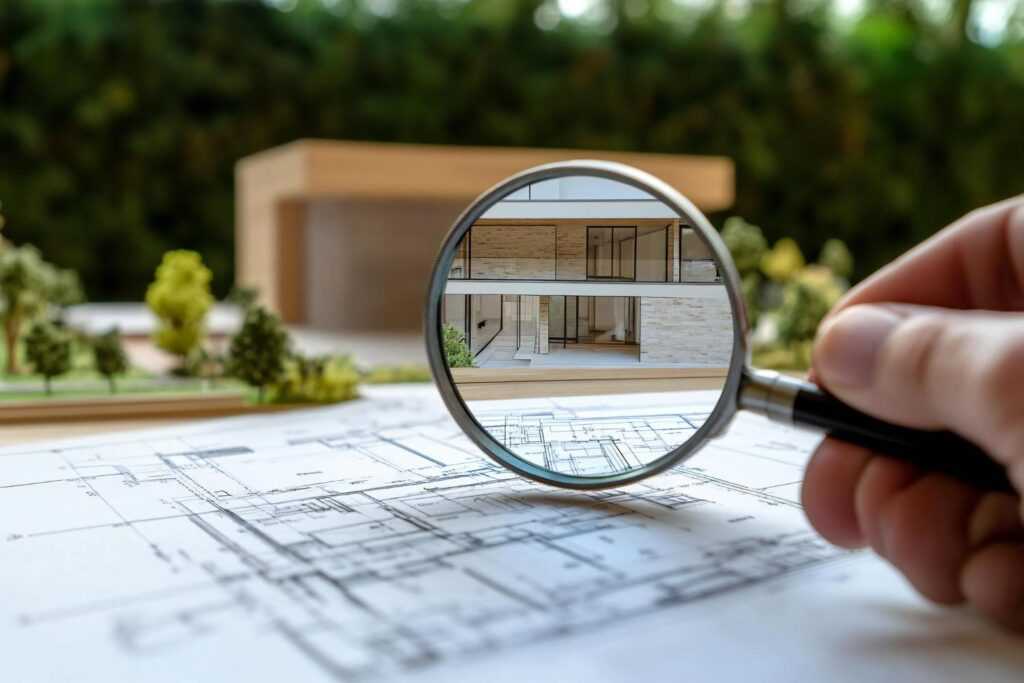
A property survey is one of the most effective ways to determine boundaries with precision. Conducted by licensed professionals, surveys provide detailed measurements and documentation that establish the exact limits of a property.
Surveyors use a combination of historical records, legal descriptions, and modern technology to identify boundary lines. The result is a clear and legally recognized representation of the property.
Professional guidance is particularly valuable when boundaries are unclear or when disputes arise. Having accurate documentation can provide clarity and support informed decision-making.
Legal and Regulatory Considerations
Property boundaries are closely tied to local laws and regulations. Zoning requirements, building codes, and setback rules all depend on accurate boundary information.
According to the U.S. Department of Housing and Urban Development, understanding property boundaries is an important part of complying with local regulations and avoiding legal complications. This includes ensuring that structures are built within permitted areas and that property use aligns with zoning guidelines.
Failure to adhere to these requirements can result in fines, delays, or the need to modify existing structures. In some cases, it may even lead to legal disputes with neighboring property owners.
Preventing and Resolving Disputes
Boundary disputes are among the most common conflicts between neighbors. These disagreements can arise over fences, landscaping, or the placement of structures.
Clear and accurate information is the best way to prevent such disputes. When both parties understand where property lines are located, there is less room for misunderstanding.
In situations where disputes do occur, having a professional survey can provide an objective reference point. This helps shift the conversation from opinion to documented fact, making resolution more straightforward.
Planning for Improvements and Development
For homeowners looking to enhance their property, boundaries play a critical role in planning. Whether adding a deck, building a garage, or installing a fence, knowing the exact limits of the property ensures that improvements are both functional and compliant.
This is particularly important in areas with strict zoning regulations, where even small deviations can have significant consequences. Accurate boundary information allows homeowners to plan confidently, avoiding setbacks that could delay or complicate projects.
It also supports better collaboration with contractors and designers, who rely on precise measurements to execute plans effectively.
Technology and Modern Tools
Advancements in technology have made it easier to access property information. Online maps, geographic information systems (GIS), and digital records provide valuable insights into property boundaries.
However, while these tools are useful for general reference, they may not always provide the level of accuracy required for legal or construction purposes. Professional surveys remain the most reliable source of precise boundary information.
Combining digital tools with professional expertise offers a comprehensive approach, allowing homeowners to explore their property while ensuring accuracy when it matters most.
A Foundation for Confident Ownership
Understanding property boundaries is not just a technical detail, it is a fundamental aspect of ownership. It provides clarity, supports planning, and helps prevent conflicts.
For homeowners, taking the time to verify and understand these boundaries creates a stronger foundation for making decisions. It also fosters a sense of confidence, knowing that actions taken on the property are informed and compliant.
As real estate continues to evolve, the importance of accurate property information remains constant. By prioritizing clarity and seeking reliable resources, homeowners can navigate the complexities of ownership with greater ease.
In the end, property lines may be invisible, but their impact is very real, shaping how land is used, how relationships with neighbors are managed, and how homes are developed over time.