I built my own house.
And I messed up—twice. Before getting it right.
You want a home that doesn’t wreck the planet.
But you’re tired of jargon, greenwashing, and contractors who shrug when you ask about insulation or solar.
What’s the first thing you actually need to know? Not the fancy stuff. Not the buzzwords.
The real, practical step that stops waste before it starts.
Sustainable home building isn’t about perfection.
It’s about choices that cut your bills, keep your air clean, and last longer than cheap shortcuts.
Yeah, it costs more upfront. But not always. And not as much as you think (especially once you see the utility bills).
This isn’t theory.
I’ve stood in muddy lots at 6 a.m., held flawed blueprints, argued with inspectors. And paid for mistakes.
You’re here because you want action. Not lectures.
You want to know what works, what’s worth skipping, and where to spend (or save) your money.
By the end, you’ll know exactly how to start Sustainable Home Building Appchousehold. Without confusion, without fluff, and without wasting time on what doesn’t matter.
Why Go Green? (Spoiler: It’s Not Just for Tree Huggers)
I built my first sustainable home in 2018. It wasn’t because I wanted a trophy. It was because my electric bill scared me.
You cut carbon when you use less energy. You conserve water with low-flow fixtures. You minimize waste by reusing materials.
Like the reclaimed barn wood in my kitchen floor (it still smells like rain).
Want lower bills? Better insulation means your heat stays in. Fast appliances pull less juice.
You feel it in your wallet every month.
Your lungs notice too. No off-gassing carpets. No mold hiding behind cheap drywall.
Just clean air and steady temps.
And yes. Homes built this way sell faster. Buyers pay more.
They also sleep better knowing their power won’t cost double next year.
The Sustainable Home Building Appchousehold helps you track all this stuff without juggling spreadsheets. Check out Appchousehold.
You think green upgrades are expensive? What’s the cost of breathing mold spores? Or sweating through another $300 summer bill?
I’m not selling dreams.
I’m selling fewer surprises.
Smart Layouts That Actually Work
I face south when I design. Not because it looks nice. Because winter sun hits low and warms the floor.
Summer sun sits high and misses the windows if you add overhangs. (You need overhangs. Not just any overhangs (measured) ones.)
Natural ventilation? Open windows on opposite walls. Put a window high on one side and low on the other.
Hot air rises. It escapes. Cool air pushes in.
You don’t need fans running all day.
Insulation isn’t optional. It’s the wall. The roof.
The floor. If your insulation is thin or missing gaps, you’re heating and cooling the sky. I’ve seen R-13 in a wall labeled “green.” That’s not green.
That’s hopeful.
Smaller homes use less stuff. Less wood. Less concrete.
Less energy to heat. A 1,200-square-foot home with smart layout beats a sloppy 2,500-square-footer every time.
Orient your house right on the lot. South-facing main windows. East for morning light.
West? Minimize. That afternoon sun melts everything.
North? Fine for bathrooms or closets.
This isn’t theory. I’ve walked through homes where the owner said “We never turn on the heat in March.” They used the Sustainable Home Building Appchousehold to test sun angles before breaking ground.
You want proof? Go stand in a south-facing room at 3 p.m. in January. Then stand in the same spot at 3 p.m. in July.
Tell me what changed.
Real Stuff, Not Just Greenwashing

I ripped old barn wood off a collapsed shed in Vermont. It became my kitchen island. No new trees cut.
No factory smoke. Just wood that already existed.
Salvaged brick? Same thing. I hauled it myself from a teardown in Portland.
Heavy. Messy. Worth it.
Bamboo floors in my guest room lasted twelve years. Cork underfoot in the bathroom never cracked. Straw bales?
I helped stack them for a neighbor’s studio. They breathe. They insulate.
They’re not magic. They’re just plants grown fast.
Local sourcing isn’t virtue signaling. It’s calling the guy down the road who mills walnut and getting it delivered same day. Less diesel.
Low-VOC paint? I used it after my kid got nosebleeds from the last coat. Turns out “zero VOC” isn’t always true.
Less waiting. Less chance something gets lost in transit.
But some brands actually test it. You can smell the difference. (And yes, your lungs notice too.)
Durable means no re-doing the deck every five years. It means picking steel over particleboard where it matters. It means asking how long before this fails (not) just how cheap it is today.
Want to know if going big on sustainable choices pays off?
Check out Is a Garage Shed Worth It Appchousehold
Sustainable Home Building Appchousehold starts with what you touch. Not what sounds good on a brochure.
Cut Utility Bills Now
I swapped my old fridge for an ENERGY STAR model last winter. It uses half the power. You feel that difference on your bill every month.
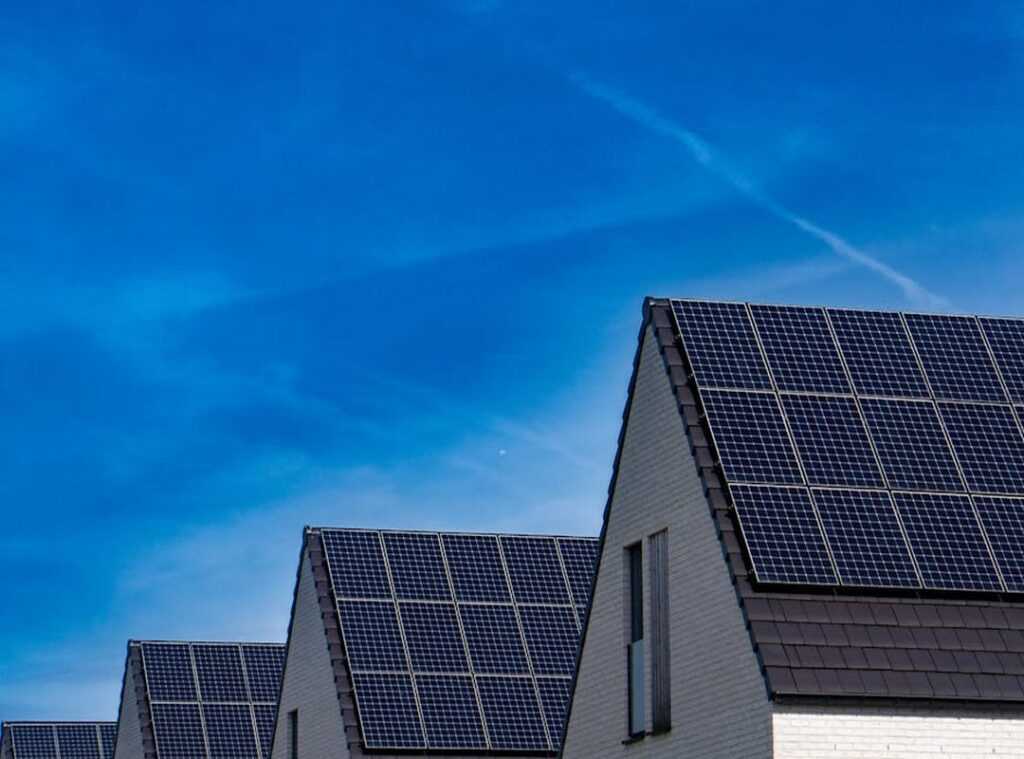
Solar panels went up on my roof in June. They cover most of my electricity needs by August. No, they don’t work at night.
But batteries help, and net metering gives credit back.
LED bulbs? I replaced every single one. No more changing bulbs every three months.
They cost more upfront but last years.
Low-flow showerheads cut water use without cutting pressure. My kids still take long showers. I still pay less.
Rainwater barrels sit under two downspouts. We use that water for the garden (not) the kitchen sink. It’s free.
It’s simple. It works.
Smart thermostats learn when you’re home. Mine turns down heat automatically at 10 p.m. I stopped forgetting to adjust it.
Water heaters waste energy if left running full blast all day.
Solar water heaters fix that. Especially in spring and fall.
This isn’t about perfection. It’s about picking one thing and doing it now. Sustainable Home Building Appchousehold means choosing what fits your house, your budget, your season.
Are Building Checks Important Appchousehold?
Your Home Can Be Better (Starting) Now
I built mine. It took work. But it wasn’t magic (and) it won’t be for you either.
You want lower bills. You want cleaner air inside your home. You want to stop feeling guilty every time the thermostat clicks on.
That’s why Sustainable Home Building Appchousehold exists. Not as a dream. As a tool.
A real one.
You don’t need to know everything before you begin. Just pick one thing: talk to a green builder. Or look up insulation options in your zip code.
Or check if your state offers rebates for heat pumps.
Small steps add up.
Especially when they’re yours.
You’ve already done the hardest part. You cared enough to read this far.
So go ahead. Open a new tab. Type “sustainable builders near me.”
Click search.
That’s your first real win. No waiting. No perfect plan required.
Start today.
Your wallet, your lungs, and your planet will notice.