That leak under your sink? It’s not just dripping. It’s waiting to rot the subfloor.
You know this. You’ve seen the mold creep up the wall behind the fridge. You’ve heard the furnace kick on too often in winter.
Are Building Checks Important Appchousehold?
Yes. Absolutely.
I ignored a cracked tile in my shower for six months. Turns out it hid a rotted stud and a slow leak feeding mold behind the wall. Replaced the whole bathroom.
Cost me three grand.
That’s not bad luck. That’s skipping checks.
Regular home checks catch those small things before they cost thousands or hurt someone. They keep your kids breathing clean air. They stop fires before faulty wiring sparks one.
This isn’t about perfection.
It’s about catching what you can’t see. The pipe joint sweating, the attic vent blocked, the gutter full of leaves and debris.
You don’t need a degree. You need a plan. A simple one.
In this article, I’ll show you what actually matters in a home check. No jargon. No fluff.
Just what to look for, how often, and why each step saves money and keeps people safe.
You’ll walk away knowing exactly what to do next.
What Building Checks Really Are
Building checks are what you do to stop small problems from becoming big headaches. They’re not magic. They’re not for fancy buildings only.
Your rental.
They’re for your apartment. Your house. Your trailer.
I check my roof after every heavy storm. I look for missing shingles. I poke at soft spots with a broom handle.
(Spoiler: soft spots mean rot.)
You don’t need a license to spot that.
Are Building Checks Important Appchousehold? Yes. And Appchousehold helps you track them without turning it into homework.
I test smoke alarms monthly. I change the batteries even if they seem fine. I clear gutters twice a year.
Once in fall, once in spring. Leaves clog fast. Water backs up.
That’s how leaks start.
Foundation cracks? I measure them with a pencil mark. If it grows, I call someone.
Under-sink leaks? I squat and look. Every time I wash dishes.
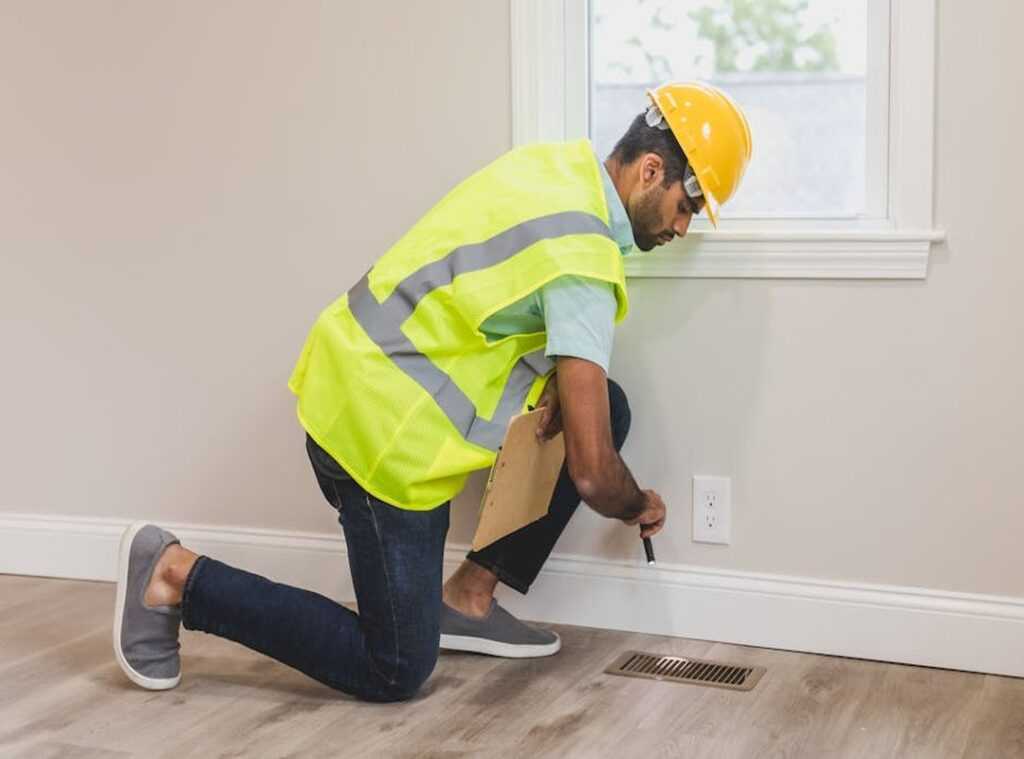
Professional inspections matter (but) they’re not replacements for your eyes and hands. You live there. You notice the drip before the drywall sags.
You hear the furnace strain before it quits.
Don’t wait for the emergency. Do the check. Write it down.
Fix what you can. Call for what you can’t.
Safety Isn’t Optional
I check my smoke detector every month. Not because I love beeping alarms (but) because I’ve seen what happens when people don’t.
Are Building Checks Important Appchousehold? Yes. And not as some vague suggestion.
As a hard stop before something breaks badly.
Faulty wiring doesn’t send you a reminder. It just starts a fire. Outdated electrical panels overheat.
Blocked dryer vents catch lint on fire. These aren’t “what ifs.” They’re why 1 in 5 home fires start in the laundry room.
Mold grows where you can’t see it. A slow leak under the sink? That’s mold in six weeks.
Dirty HVAC filters circulate dust, allergens, and worse. Rodents in the attic leave droppings. And diseases.
You don’t wait for coughing to start checking your air.
Cracked foundations shift. Rotting decks hold weight until they don’t. A sagging roof leaks.
Then collapses. These aren’t cosmetic issues. They’re injury waiting to happen.
Carbon monoxide has no smell. No color. No warning.
Just headaches, dizziness, then silence. Detectors die. Batteries fail.
Appliances drift out of spec. Testing them isn’t busywork (it’s) insurance.
So test your detectors now. Push the button. Replace batteries twice a year.
Wiggle railings. Look for soft spots on decks. Feel for warm outlets.
Sniff near gas appliances.
You wouldn’t skip oil changes on your car. Why skip checks that protect your family?
It’s not about perfection. It’s about catching the small thing before it becomes the big thing.
Most of this takes five minutes. The rest takes ten. Your time is worth it.
Save Money Before It’s Gone

I fixed a roof leak for $87.
That was duct tape, tar paper, and thirty minutes.
Last year my neighbor ignored the same drip. Now he’s replacing drywall, treating mold, and getting a new roof. That’s $14,000.
You see that math?
A stitch in time isn’t cute (it’s) cash in your pocket.
A dripping faucet costs five bucks for a washer.
A burst pipe floods your kitchen, warps your floors, spikes your water bill. And yes, you’ll pay for the plumber’s emergency surcharge at 2 a.m.
HVAC filters cost $12. Let them go six months? Your system works harder, burns more energy, and dies early.
New furnace: $6,500. Annual tune-up: $125.
Small foundation cracks? Seal them for $200. Let water creep in, freeze, expand (now) you’re shoring up walls, underpinning, hiring engineers.
That’s not maintenance. That’s trauma.
Proactive checks aren’t “extra.”
They’re how you avoid writing checks you didn’t budget for.
And if you’re asking Are Building Checks Important Appchousehold, the answer is yes (but) only if they’re done before the problem screams.
The Sustainable Home Building Appchousehold shows how to spot trouble early without guesswork. No fluff. No jargon.
Just what to look for (and) when to act.
You don’t wait for the ceiling to sag.
You check the attic after heavy rain.
You don’t ignore the weird HVAC noise.
You change the filter now.
Emergency repairs cost three times as much.
Always.
So ask yourself: What’s cheaper (the) time or the bill?
Why Your Home Needs Regular Checks
I check my roof after every big storm.
You should too.
A well-maintained home holds value. Not just in theory. In real dollars when you sell.
Buyers pay more for homes with no hidden surprises.
I keep a simple log of every repair and inspection. It’s not fancy. It’s just dates, what I did, and who did it.
That log becomes proof (not) promises (when) you list the house.
Peace of mind isn’t soft talk. It’s sleeping through the night knowing your furnace won’t fail at 3 a.m. in January. It’s not jumping every time the water heater gurgles.
Skipping checks doesn’t save money. It saves time. Until something breaks during finals week or right before vacation.
Then it costs more. And stresses you out.
A cared-for home feels different. Warmer. Safer.
Like it’s working with you (not) against you.
Are Building Checks Important Appchousehold? Yes. Especially if you live in or own an Appchousehold home building by activepropertycare.
Your Home Doesn’t Wait
I’ve seen what happens when people skip building checks. A dripping faucet becomes a rotted floor. A loose wire sparks a fire.
You know this. You’ve felt that knot in your stomach when something just doesn’t feel right.
Are Building Checks Important Appchousehold? Yes. Not maybe.
Not someday. Now.
Because safety isn’t abstract. It’s your kid sleeping upstairs while the furnace hums. Because savings aren’t theoretical.
They’re the $4,000 repair you avoid by tightening a pipe today. Because peace of mind isn’t luxury. It’s turning off the lights and knowing.
So stop waiting for a crisis to give you permission. Grab a pen. Write down three things: smoke detector batteries, water heater pressure valve, visible cracks near windows.
Do those this week.
Then add one more thing next week. And one more the week after.
You don’t need perfection. You need action.
Schedule that inspection. Or start your own checklist (right) now, before you close this tab.
Your home is counting on you. Not tomorrow. Not after vacation.
Today.