
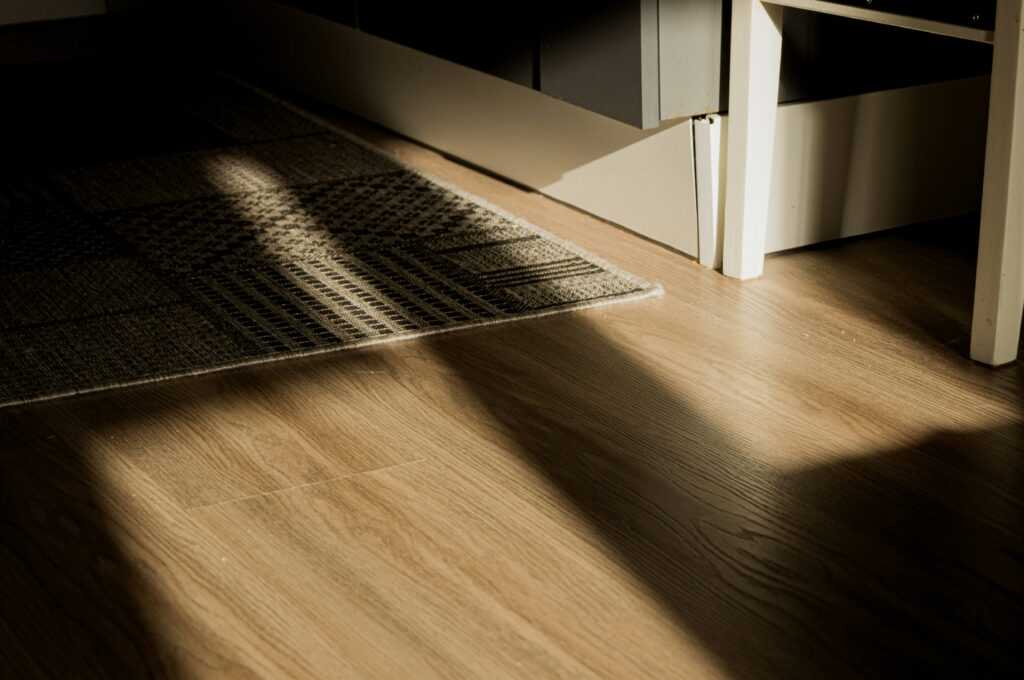
Flooring is one of the most important elements of any property’s design and functionality. It influences the appearance of a room, affects everyday comfort, and determines how well a space handles regular use. From traditional hardwood to modern vinyl and durable concrete, homeowners have several materials to choose from, each offering different advantages in terms of appearance, durability, and maintenance.
However, selecting the right flooring involves more than choosing a colour or finish that complements the interior. Factors such as foot traffic, moisture resistance, installation costs, cleaning requirements, and compatibility with heating systems should also influence the decision. A material that works well in a living room may not be the most practical option for a bathroom, kitchen, or basement.
Understanding the characteristics of different flooring types can help homeowners make informed decisions and avoid unnecessary maintenance or replacement costs. Whether renovating an existing property or planning a new home, comparing the available options is a useful starting point. Below are six popular flooring types, their main advantages, limitations, and the spaces where they are most suitable.
1.Hardwood Flooring
Hardwood flooring is a timeless option that brings natural warmth, character, and elegance to residential interiors. Manufactured from solid timber, it is available in several species, including oak, maple, walnut, and hickory, each offering distinct grain patterns, colours, textures, and levels of hardness.
These natural variations allow homeowners to choose a finish that complements their interior design, whether they prefer a traditional appearance or a more contemporary style. Hardwood also develops a unique character over time, making it an appealing choice for those who value natural materials. Beyond its appearance, the type of wood selected can influence the floor’s durability, resistance to everyday wear, and maintenance requirements.
Best for:
- Living rooms and dining areas
- Bedrooms and hallways
- Traditional, rustic, and contemporary interiors
- Homeowners looking for long-lasting natural materials
Key benefits:
- Long lifespan: Quality hardwood can last for decades when properly maintained.
- Refinishing potential: Scratches and surface wear can often be addressed through sanding and refinishing.
- Natural appearance: Each plank has unique grain patterns and variations.
- Design flexibility: Different wood species, stains, and finishes complement a wide range of interiors.
Things to consider:
Hardwood can be vulnerable to excessive moisture, scratches, and changes in humidity. It is therefore not always suitable for bathrooms or areas that experience frequent water exposure. Installation costs can also be higher than those of several alternative flooring materials.
Homeowners should consider the wood species and its stability before installation, particularly in properties where indoor temperatures and humidity fluctuate.
2. Engineered Wood Flooring
Engineered wood flooring offers the natural appearance of hardwood through a layered construction designed to improve dimensional stability. Unlike solid hardwood, which is manufactured from a single piece of timber, engineered wood typically features a genuine wood veneer on the surface, supported by multiple layers of plywood or other wood-based materials.
This construction helps the flooring handle changes in temperature and humidity more effectively, making it suitable for different residential environments. It is available in various wood species, plank widths, colours, and surface finishes, allowing homeowners to achieve the appearance of traditional timber while having additional flexibility in installation. Certain engineered wood products can also be used with compatible radiant heating systems, provided the manufacturer’s requirements are followed.
Best for:
- Living rooms and bedrooms
- Open-plan residential spaces
- Homes where temperature and humidity fluctuate
- Homeowners who prefer real wood flooring with additional installation flexibility
Key benefits:
- Natural wood finish: The surface layer provides the appearance and texture of genuine timber.
- Improved stability: Its layered construction helps reduce movement caused by changes in humidity.
- Installation options: Depending on the product, it can be installed using floating, glue-down, or nail-down methods.
- Heating compatibility: Certain products can be used with radiant floor heating when approved by the manufacturer.
Things to consider:
The thickness of the top wood veneer determines how many times the floor can be refinished. Products with thinner veneers may offer fewer restoration opportunities. Quality also varies between manufacturers, so it is important to compare construction, warranty coverage, and installation requirements.
Engineered wood can be a practical choice for homeowners who want the appearance of natural timber with greater flexibility than traditional solid hardwood.
3.Concrete Flooring
Concrete flooring has become an increasingly popular option in modern residential properties. Although it was traditionally associated with industrial and commercial buildings, it is now used in garages, basements, kitchens, and contemporary living spaces. Its simple appearance works particularly well in minimalist interiors, while different treatments and finishes can create a more decorative effect.
Homeowners can choose polished concrete for a smooth surface, stained finishes for added colour, or textured treatments for a distinctive appearance. Concrete also provides a strong and stable surface that can support different types of furniture and everyday household activities. When properly prepared and maintained, it can offer a durable flooring solution for several areas of a home.
Best for:
- Basements and garages
- Modern and industrial-style interiors
- Open-plan living spaces
- Homeowners looking for durable flooring with minimal maintenance
Key benefits:
- Durability: Properly installed concrete can withstand heavy use and substantial loads.
- Low maintenance: Sealed concrete surfaces are relatively easy to clean.
- Design flexibility: Polished, stained, coloured, and decorative finishes offer different visual effects.
- Longevity: A well-maintained concrete floor can provide long-term performance.
- Heating compatibility: Certain concrete floor assemblies can accommodate radiant heating systems.
Things to consider:
Concrete can feel hard and cold underfoot, particularly during winter. Untreated surfaces may also be vulnerable to staining and moisture penetration. Cracking can occur because of shrinkage, ground movement, or inadequate installation.
Concrete floors can feel cold, especially during the winter months. Installing radiant floor heating under concrete floors can help create a warmer and more comfortable indoor environment by directing heat towards the finished floor.
These systems help direct heat upwards towards the finished floor while reducing heat loss into the concrete slab. The suitability of a particular system depends on the available floor height, insulation, heating requirements, and selected flooring material.
Before installation, the concrete surface should be assessed for moisture issues, levelness, and structural condition. It is also important to check that the heating system and finished flooring are compatible.
4.Tile and Stone Flooring
Tile and natural stone are popular flooring choices for areas where durability, moisture resistance, and easy maintenance are important. Ceramic and porcelain tiles are available in numerous sizes, colours, patterns, and finishes, while natural stone options include marble, granite, slate, and limestone.
These materials offer considerable design flexibility, allowing homeowners to create anything from a simple, understated surface to a more decorative interior feature. Porcelain is particularly valued for its dense structure and low water absorption, while natural stone provides distinctive patterns and textures that make each installation visually unique. Depending on the material and finish, tile and stone can complement both traditional and modern residential spaces.
Best for:
- Kitchens and bathrooms
- Laundry rooms and entryways
- Areas exposed to moisture
- Homeowners seeking durable and easy-to-clean surfaces
Key benefits:
- Moisture resistance: Porcelain and many ceramic tiles are suitable for areas exposed to water.
- Durability: Quality tiles can withstand regular foot traffic and everyday use.
- Low maintenance: Most tile surfaces are easy to clean with regular sweeping and mopping.
- Design variety: Different colours, textures, and patterns allow homeowners to create distinctive interiors.
Natural stone provides an additional design advantage because each piece has its own patterns and variations. Marble can create an elegant finish, while slate offers a more textured appearance.
Things to consider:
Tile and stone can feel hard and cold underfoot, particularly during colder months. Some natural stone materials also require periodic sealing to protect against moisture and stains. Grout lines need regular cleaning to maintain their appearance.
These materials can work particularly well with compatible radiant floor heating systems because they generally transfer heat effectively. Proper subfloor preparation and installation are essential to reduce the risk of cracking.
5.Luxury Vinyl Flooring
Luxury vinyl flooring has gained popularity in residential properties because it combines practical performance with a wide selection of attractive designs. It is commonly available as luxury vinyl plank (LVP) and luxury vinyl tile (LVT). LVP is designed to replicate the appearance of hardwood planks, while LVT often resembles natural stone or ceramic tiles.
Modern manufacturing techniques create realistic textures, patterns, and surface finishes that can closely resemble traditional flooring materials. Many products also feature multiple construction layers that contribute to their durability and everyday performance. With options available at different price points, luxury vinyl provides homeowners with flexibility when choosing flooring for rooms that experience regular activity or occasional moisture exposure.
Best for:
- Kitchens and bathrooms
- Basements and laundry rooms
- Busy family areas
- Homeowners looking for attractive, low-maintenance flooring
Key benefits:
- Moisture resistance: Many luxury vinyl products are waterproof, making them suitable for areas where spills are common.
- Comfort underfoot: It generally feels softer and warmer than ceramic or porcelain tile.
- Design variety: Available in finishes that replicate wood, stone, and other materials.
- Easy maintenance: Regular sweeping and damp mopping are usually sufficient.
- Installation flexibility: Depending on the product, installation can involve click-lock, adhesive, or other approved methods.
Things to consider:
Not all luxury vinyl products offer the same quality. Wear-layer thickness, core construction, and surface protection can vary significantly. Homeowners should also check whether a particular product is approved for radiant floor heating, as excessive temperatures may affect some vinyl materials.
Choosing a suitable product involves reviewing its technical specifications, warranty, and installation recommendations rather than focusing on appearance alone.
6.Laminate Flooring
Laminate flooring is a practical option for homeowners who want the appearance of natural materials without choosing solid hardwood or stone. It generally consists of several layers, including a protective wear layer, a decorative image layer, a dense fibreboard core, and a stabilising backing.
The decorative surface is designed to replicate different wood species, grain patterns, and stone finishes, providing a wide range of choices for residential interiors. Improvements in manufacturing have also made modern laminate products more realistic in appearance and texture. Its combination of affordability, scratch resistance, and relatively straightforward installation makes it a popular consideration for homeowners renovating rooms that receive regular foot traffic.
Best for:
- Living rooms and bedrooms
- Hallways and home offices
- Areas with regular foot traffic
- Homeowners working with a moderate flooring budget
Key benefits:
- Scratch resistance: Its protective surface helps resist everyday scuffs and scratches.
- Affordable options: Many laminate products cost less than natural hardwood.
- Design flexibility: Available in finishes that replicate different wood species and stone patterns.
- Straightforward installation: Many products feature click-lock systems that connect individual planks.
- Simple maintenance: Regular sweeping and occasional damp cleaning help maintain the surface.
Things to consider:
Standard laminate can swell or become damaged if water reaches its fibreboard core. Water-resistant and waterproof varieties are available, but homeowners should check the manufacturer’s specifications before installing them in moisture-prone areas.
Some laminate products are compatible with radiant floor heating, provided the correct underlayment and temperature limits are followed.
Conclusion
Every flooring material offers a different combination of appearance, durability, maintenance requirements, and comfort. Hardwood and engineered wood provide the natural appeal of timber, while tile and stone are practical choices for moisture-prone areas. Luxury vinyl and laminate offer versatile designs with relatively straightforward maintenance, and concrete provides a durable solution for modern residential spaces.
The right choice depends on the purpose of each room, the condition of the subfloor, the household’s needs, and the overall design of the property. Homeowners should also consider insulation, heating compatibility, and installation requirements before making a final decision.
Comparing product specifications and seeking professional advice where necessary can help prevent costly issues later. By understanding the strengths and limitations of each flooring type, homeowners can select a solution that balances practical performance, everyday comfort, and long-term value.