
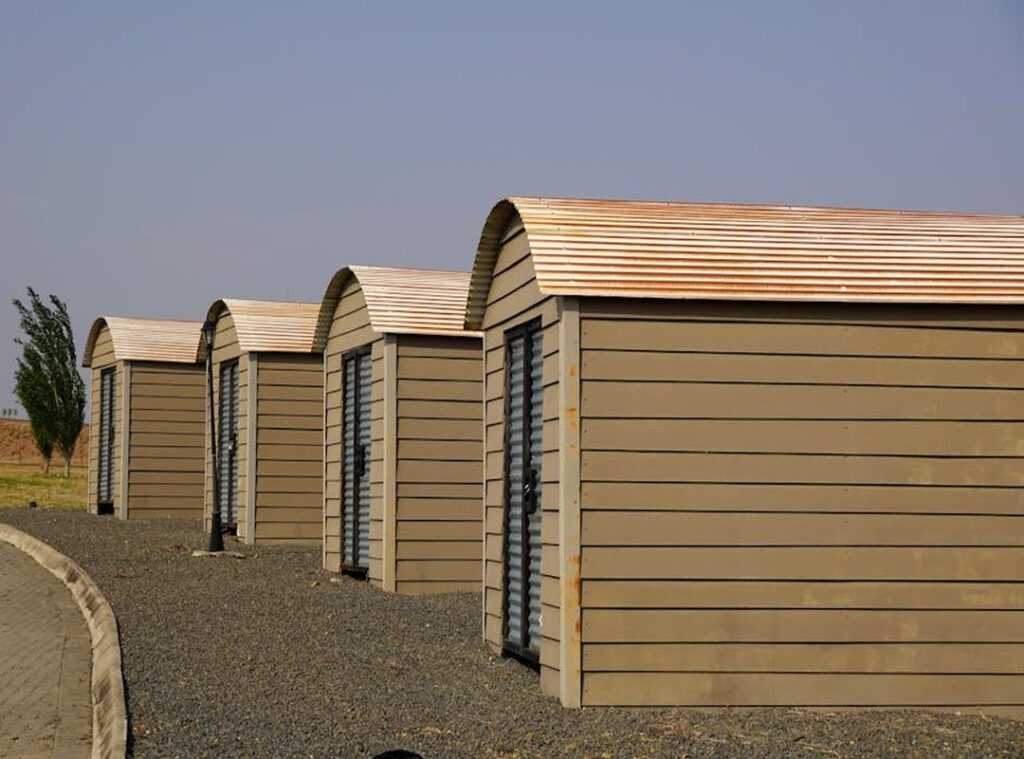
I hate clutter.
You do too.
That pile of garden tools by the back door? The winter tires stacked in the garage corner? The bike parts you swear you’ll assemble next weekend?
It’s not laziness. It’s bad storage.
A garage shed isn’t just metal and screws. It’s breathing room. It’s knowing where your ladder is.
It’s keeping rain off your lawnmower so it starts every spring.
But picking one? Ugh. Too many sizes.
Too many materials. Too many websites pretending a $200 shed will last twenty years.
I’ve bought, built, and bailed out three sheds. Two leaked. One blew over in a gust.
The third? Still standing. And it took exactly six decisions (not) fifty.
To get it right.
This isn’t theory. It’s what worked. What failed.
What saved me time, money, and headaches.
You’ll learn how to match size to your actual stuff (not the brochure). How to spot flimsy construction before you sign. When concrete is worth it (and) when it’s overkill.
No jargon. No upsells. Just clear choices.
By the end, you’ll know which shed fits your yard, your budget, and your sanity.
That’s what the Garage Shed Guide Appchousehold delivers. Not confusion. Confidence.
Garage Shed? Or Just More Clutter?
I’ve stood in garages where you need a map to find the lawnmower.
You too?
A garage shed isn’t magic. It’s just space (yours,) not shared with your car, toolbox, and holiday lights.
The Garage Shed Guide Appchousehold helps you pick one that actually fits your yard and your junk. (Yes, it’s junk. We call it that.)
No more cracked tool handles from damp concrete. No more flat bike tires from summer heat. No more digging through boxes for last year’s patio cushions.
A shed keeps lawnmowers dry. Bikes upright. Garden hoses coiled.
Not knotted.
It also stops theft. Not just from strangers (from) yourself. You forget what you own when it’s buried under tarps and old paint cans.
You park your car in the garage again. Not next to it.
Common stuff people stash: rakes, skateboards, power washers, extension cords, folding chairs, seed packets, fishing rods.
For homeowners looking to optimize their garage space, the Appchousehold provides essential tips and tools for effective organization and storage.
If your garage smells like mildew and regret. You need a shed.
Not a bigger garage. A shed.
It takes fifteen minutes to measure your spot.
Then you’re done.
No permits. No contractors. Just order, assemble, and breathe.
That’s it.
Wood, Metal, or Plastic? Pick One.
I built my first shed out of wood. It looked great for three years. Then the rain got in and I spent every spring sanding and sealing.
(Spoiler: I hate sanding.)
Wood gives you that warm, natural look. You can stain it, paint it, add windows, make it match your house. But it will rot if you ignore it.
Moisture is its enemy. If you’re not willing to maintain it, don’t buy it.
Metal sheds last longer. They hold up in wind, snow, fire. No painting.
No sealing. Just hose it off once a year. But rust creeps in at seams (especially) near salt air or damp soil.
And let’s be real: most metal sheds look like storage lockers. Not charming.
Plastic (resin) sheds snap together in a weekend. Zero maintenance. Rain slides right off.
Great for garden tools or pool gear. But they feel flimsy in high winds. Sun fades them fast.
So what do I pick? If you live somewhere dry and want curb appeal: wood. If you want it to survive a hurricane and forget about it: metal.
Don’t store heavy power tools on the shelves. They’ll sag.
If you need something cheap, quick, and moisture-proof: plastic.
Ask yourself: What am I storing? How long do I want it to last? Do I have time to care for it?
The Garage Shed Guide Appchousehold helps weigh those trade-offs fast. You’re not buying material. You’re buying time, effort, and peace of mind.
Pick the one that matches your life. Not just your yard.
Shed Size and Placement: Don’t Guess
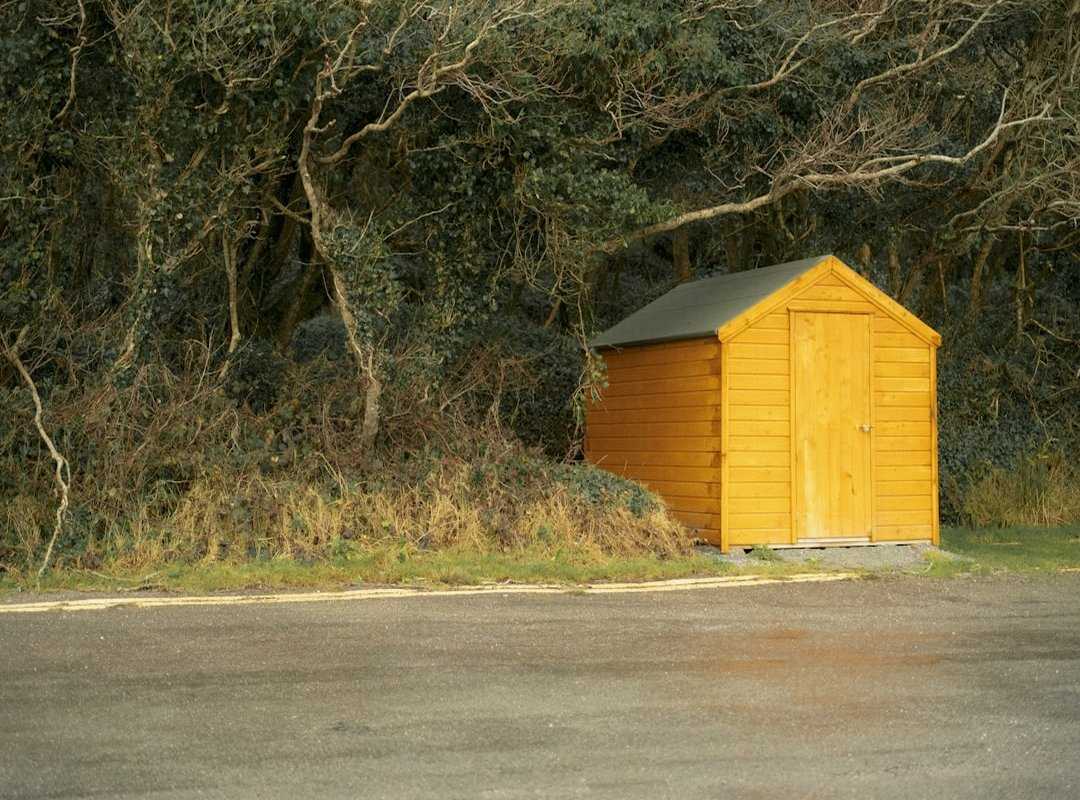
I measure every item I plan to store. Then I add six inches—minimum (for) walking room. You’ll thank me later when you’re not squeezing past a lawnmower to grab a rake.
Future storage? Yeah, it creeps up. I always pad the size by 20%.
Not because I’m optimistic. I’m just tired of shoving stuff into corners.
Where you put it matters more than you think. Drainage first. If water pools near the foundation after rain, move it.
Sunlight? Too much warps wood. Too little invites mold.
And if you need power or water nearby? Measure the distance before you dig.
Check your local zoning rules. And your HOA’s fine print. They care about height, setbacks, even color sometimes.
Don’t assume. Don’t hope. Look it up.
I stake the footprint with string and spray paint. It’s shocking how big it looks on paper versus in your yard. You’ll spot conflicts fast (like) that oak root, the septic lid, or your neighbor’s view.
This isn’t just about space. It’s about not regretting it in six months. The Garage Shed Guide Appchousehold helped me avoid three rookie mistakes. Learn more before you order.
Because once it’s built, moving it sucks. Trust me.
What Your Garage Shed Actually Needs
I built mine last spring.
It leaked in the first rain.
Wood floors rot. Concrete cracks. Plastic bases?
They work. If you level the ground first. (Which I did not.)
Ventilation is not optional. Mold grows fast in damp heat. You’ll smell it before you see it.
Single doors are fine for bikes. Double doors handle furniture. Roll-ups?
Best for ATVs (or) if you hate opening doors in winter.
Shelving saves your back. Pegboards hold tools where you see them. Hooks cost five bucks and fix half your clutter.
Ramps beat lifting. Every time.
Locks matter more than you think. A flimsy latch won’t stop anyone. Reinforced doors and deadbolts do.
You want durability. Not looks. You want dry air.
Not stale air. You want to open the door and use the space (not) dodge puddles or rearrange junk.
The Home building guide appchousehold covers this stuff without fluff.
It’s the Garage Shed Guide Appchousehold. No hype, just what works.
Your Shed Starts Today
I’ve walked through this before. You’re tired of tripping over boxes in your garage. Tired of wasting time searching for tools.
Tired of pretending the clutter isn’t getting worse.
That’s why you’re here. Not to read another vague article. But to act.
You now know how to pick the right shed. Assess what you actually need to store. Choose wood, metal, or plastic (no) guesswork.
Pick a size that fits your space. Not some generic chart. And decide where it goes before it arrives.
None of this is theoretical. You’ve got real steps. Real choices.
Real control.
Skip the rushed Amazon purchase. Skip the shed that leaks after six months. Skip the one you hate the second it’s assembled.
Spend one hour today. Grab a tape measure. Walk your yard or driveway.
Write down three things you must store.
That’s it.
That’s all it takes to start.
Garage Shed Guide Appchousehold gives you the straight talk. Not fluff, not fear, not sales talk.
It’s built for people who want function, not fanfare.
So go ahead. Measure your space. Open the guide.
Pick one option that feels right.
You don’t need permission. You don’t need perfect conditions. You just need to begin.
Start now.