
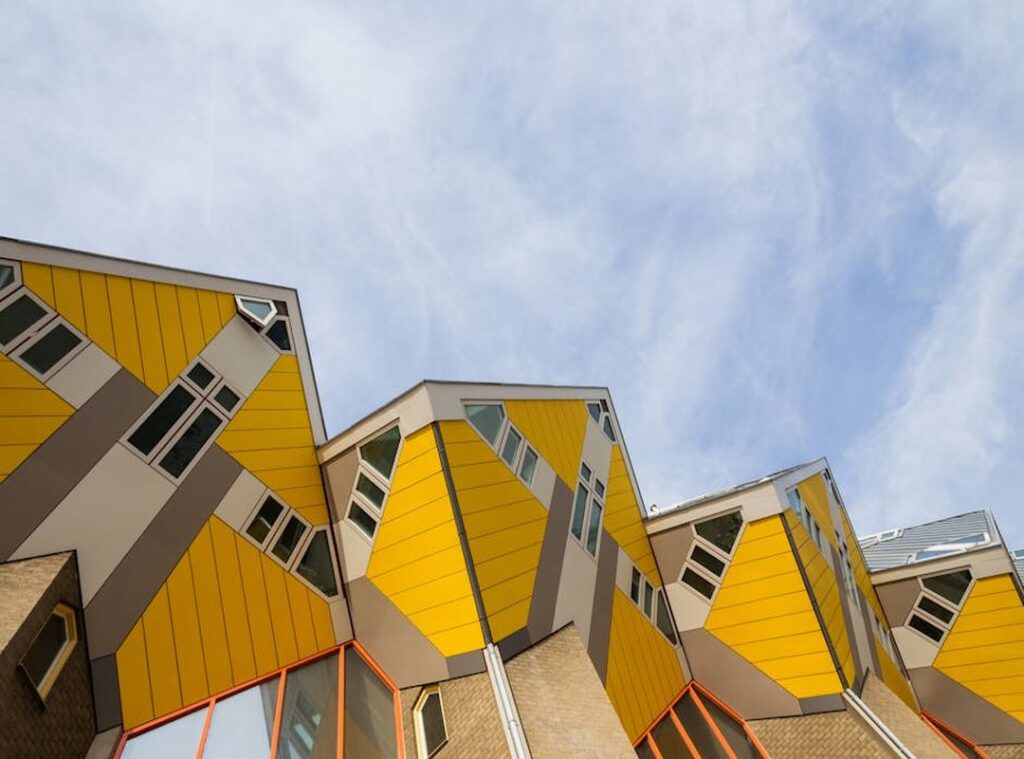
You’ve seen those interiors.
The ones that look great in photos but feel hollow the second you walk in.
I have too. And I’m tired of it.
Most interior design today treats space like wallpaper. Slap on some finishes. Call it done.
But real architecture doesn’t start with a color swatch. It starts with how light hits the wall at 3 p.m. How heat moves through the ceiling.
How people actually move through the room (not) how they should move, according to a mood board.
I’ve shaped over 80 built projects where the interior didn’t follow the architecture. It grew from it.
Structural beams became shelves. Climate dictated material thickness. Local craft traditions reshaped detail logic.
That’s not style. That’s consequence.
Clients keep asking: What makes architecture unique kdainteriorment?
They’re not looking for buzzwords. They want to know what’s non-negotiable. What can’t be faked.
What survives the first year of real use.
This article names only those things.
No fluff. No vague claims. Just the What Makes Architecture Unique Kdainteriorment.
Clear, tested, and rooted in built work.
You’ll walk away knowing exactly what to look for. And what to walk away from.
Structural Integrity as Interior Language
I don’t hide the bones of a building.
I show them.
Load-bearing elements (beams,) columns, slabs (are) not problems to solve. They’re the first line of the interior’s voice.
You see them. You feel their rhythm. You read them like punctuation.
That concrete shear wall? It’s not just holding up the floor above. It’s the textured backdrop for where oak meets plaster meets steel.
I’ve used one in a Brooklyn loft to frame a kitchen nook. The wall stays raw. We polished its surface just enough to catch light.
Not enough to erase the pour lines. Then we hung a floating shelf against it, not on it. The shelf floats because the wall is strong.
Most interiors treat structure as an afterthought. Hide it behind drywall. Wrap it in wood.
That contrast is the design.
Paint over it until it disappears.
That’s lazy. And expensive.
It also kills spatial honesty.
When you bury the structure, you lose weight. You lose scale. You lose where the building actually ends and the room begins.
Early collaboration between architect and interior team changes everything. Not later. Not during construction. Before the foundation is poured.
That’s how you get a column that doubles as a bookshelf spine. Or a slab edge that becomes a countertop lip.
It’s not retrofitting. It’s listening.
What Makes Architecture Unique Kdainteriorment? It’s this: refusing to separate what holds it up from what you live inside.
Kdainteriorment starts there.
No drywall. No apologies.
Just structure (speaking) clearly.
Climate-Responsive Material Hierarchies
I pick materials based on what the climate does (not) what it looks like.
Thermal mass matters more than texture. Solar gain trumps finish. Humidity response beats color matching.
Rammed earth base + perforated metal ceiling? That’s for hot-dry zones. The earth soaks up heat all day and lets it out slow at night.
The metal ceiling? It sheds radiant heat fast. (And no, it doesn’t rust if you size the perforations right.)
In humid subtropical settings, I go cross-laminated timber soffits + hygroscopic lime plaster. The wood breathes. The plaster absorbs moisture when the air thickens (and) releases it when things dry out.
That’s material hierarchy. Not layering for Instagram. Layering for physics.
It creates durability that stacks (not) one hero material carrying the load, but each doing its job in sequence.
It cuts mechanical dependency. Less AC. Less dehumidification.
Less replacement.
And it evolves. Lime plaster patinas. Timber weathers gray.
Rammed earth gains subtle striations. You don’t fight time. You work with it.
I wrote more about this in What Architecture Is All About Kdainteriorment.
Surface-level biophilic mimicry? Like wood veneer glued over HVAC ducts? That’s decoration pretending to be plan.
It fails faster. It lies to the occupant. It wastes energy.
True climate-informed sequencing respects cause and effect.
What Makes Architecture Unique Kdainteriorment isn’t about style. It’s about consequence.
Skip the veneer. Feel the wall’s breath. Listen to how it responds at 3 p.m. in August.
You’ll know if it’s working.
Threshold Logic: When Space Starts Talking
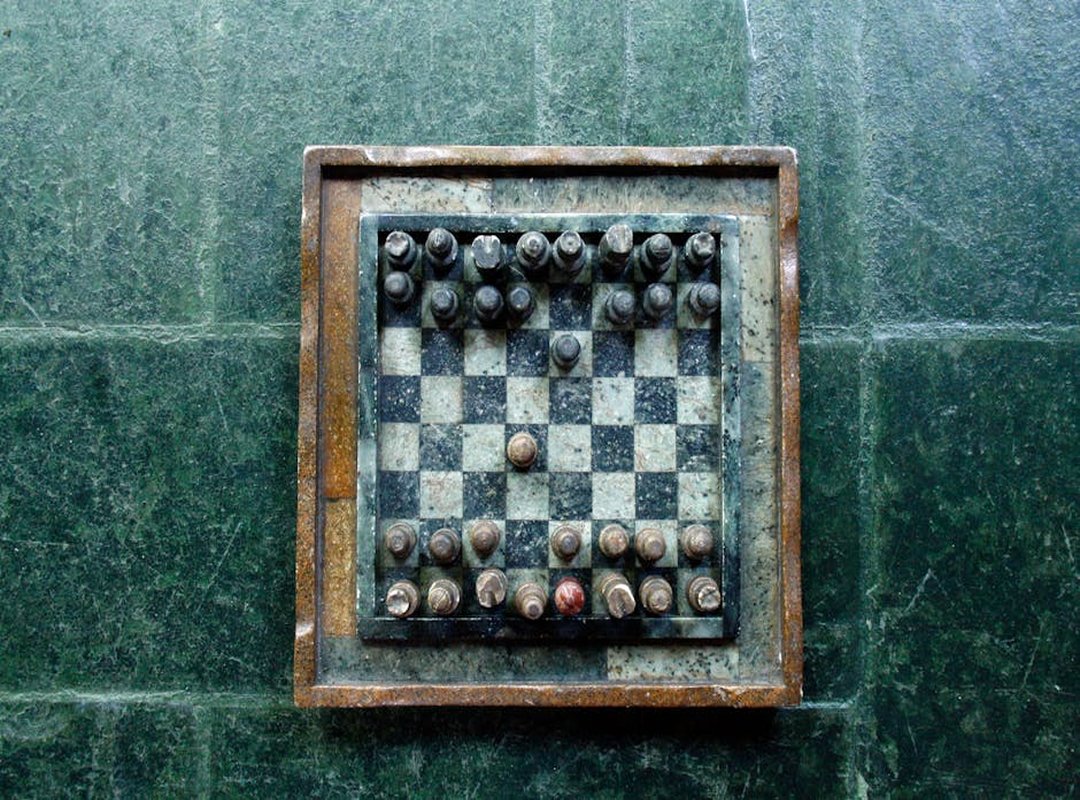
I don’t design doorways. I design thresholds.
Threshold logic is the deliberate choreography of movement between zones. Not just doors. Floor datum shifts.
Light quality drops or spikes. Sound gets swallowed. Air temperature dips (just) enough to register.
You feel it before you name it.
I did this in a residential entry sequence last year. Stepped stone plinth first (your) foot lands, weight shifts, posture changes. Then, at toe-kick level, a recessed LED strip pulses on before you step up.
Not bright. Just enough to signal: something’s different now.
Then, acoustic felt wall panels start exactly 1.2m above floor. You pass under them. Your voice drops.
The hallway suddenly feels quieter (even) though nothing changed acoustically yet. It’s psychological prep.
That’s not standard transition design. Most architects slap down a rug or dim the lights and call it done. That’s lazy.
That’s noise.
Real threshold logic layers cues in sequence. Each one triggers before the next. It’s not decoration.
It’s direction.
Map all thresholds during schematic design (not) after finishes are picked. Seriously. If you wait, you’re retrofitting intention into a shell that wasn’t built for it.
What Makes Architecture Unique Kdainteriorment? It’s how space guides you without saying a word.
What architecture is all about kdainteriorment digs into why that matters. Not as theory, but as daily experience.
Skip the rug. Start with the step. Start with the light cue.
Start with the hush.
Architecture Tells Stories With Space. Not Signs
I don’t care how many seashells you stick on a bathroom wall.
Narrative in architecture isn’t painted on. It’s embedded narrative through spatial sequencing.
You feel it before you name it. Like walking into a public library: tight service corridor → cramped vestibule → BAM. Double-height atrium flooded with borrowed light from above.
Your shoulders drop. Your breath changes. You remember that shift (not) the sign that says “Welcome.”
Then you turn and find reading alcoves carved right into structural bays. Cozy. Quiet.
Human-scaled. No nautical rope trim. No fake portholes.
Just space doing the work.
That’s how buildings speak. Not with decoration. With sequence.
With compression and release.
Thematic décor is lazy. It shouts instead of whispering. It tells you what to feel instead of letting you feel it.
I’ve walked through dozens of “nautical” bathrooms. None made me think of the sea. Most made me think of bad decisions.
What Makes Architecture Unique Kdainteriorment? It’s this: space, not stuff, carries meaning.
If you want to understand how that works, start here: What to Learn
Distinctive Isn’t Designed In
I’ve seen too many projects collapse under the weight of style masquerading as substance.
You’re not here to copy. You’re here to mean something.
That’s why What Makes Architecture Unique Kdainteriorment starts with four anchors (not) suggestions. Structural language. Climate-responsive materials.
Threshold logic. Spatial narrative.
No exceptions. No shortcuts.
If your brief doesn’t filter through all four, it’s already compromised.
So before you pick a tile. Or approve a sketch (ask) yourself: Does this strengthen one of them? Or slowly undermine it?
Most teams skip that question. Then wonder why their work feels forgettable.
You won’t.
Your move is simple: print these four anchors. Tape them to your monitor. Use them before the first finish spec.
Distinctive isn’t designed in.
It’s revealed through discipline.