
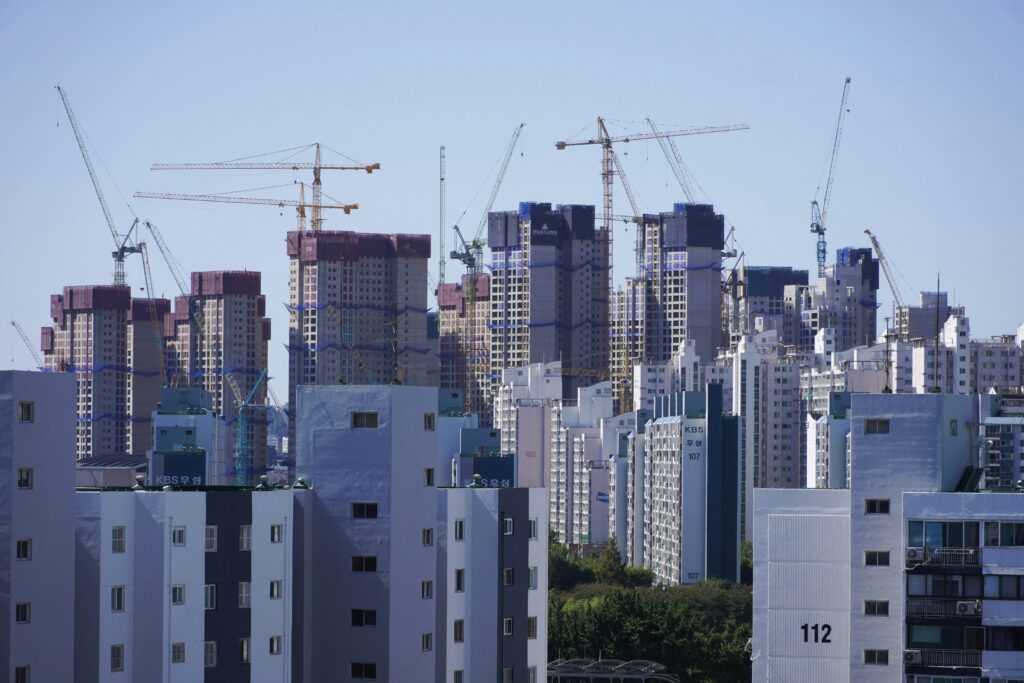
What’s Driving Market Shifts
People are moving and not just across town. A mix of domestic relocation and international migration is redefining where and how demand shows up in the real estate map. Mid size cities that used to live in the shadow of pricey, oversaturated metros are now seeing steady population inflows. It’s not a blip. It’s the new normal.
Remote work still plays a big role. Professionals with laptop jobs are no longer tethered to major coastal hubs. They’re seeking space, lower costs, and better quality of life. Some are choosing second tier cities that balance connectivity with livability.
Governments are fueling the shift too. Tax incentives, infrastructure bills, and zoning reforms are making mid size urban centers more attractive for both residents and investors. Places once considered “sleepy” are getting smarter, greener, and more connected.
Green infrastructure and smart city initiatives are also pulling in buyers. Think walkable districts, renewable energy grids, efficient transit, and data driven public services. The cities investing in future forward living aren’t just attracting residents they’re locking in long term growth.
The Metrics Behind “Emerging”
Emerging real estate markets aren’t just about flashy growth. Year over year (YOY) price spikes can look exciting, but without a stable trajectory, they’re risky. Smart investors are tracking markets where growth is steady not explosive and more reflective of economic fundamentals rather than short term hype.
Vacancy rates tell another part of the story. Low vacancy mixed with rising rents typically signals solid demand, especially in markets seeing remote worker inflows or urban revitalization. High vacancy, even in growing cities, can mean developers overshot or buyers aren’t sold on the area yet.
Infrastructure spending and corporate expansion are two can’t miss indicators. Cities with billions earmarked for transportation, logistics, or broadband access are building more than roads they’re investing in long term desirability. If major employers are setting up shop nearby, that’s one more layer of confidence.
For investors trying to read the tea leaves, the trifecta to watch in 2026 is affordability, job growth, and livability. Markets with a balance of cost accessible housing, expanding employment sectors, and community appeal (schools, safety, green space) stand a better chance of sustainable returns. Chasing hot numbers alone won’t cut it stability is the real edge.
Cities on the Rise: North America
In 2026, it’s not the usual suspects pulling attention. Secondary cities in the U.S. are stepping into the spotlight quietly growing their appeal with affordability, solid infrastructure, and local economies that don’t swing wildly. Places like Boise and Raleigh are pulling in first time homebuyers tired of fighting uphill battles in coastal metros. But it’s not just folks looking for a mortgage. Institutional funds are circling, drawn to stable returns and lower competition.
North of the border, Canada’s urban exurbs are lighting up the housing starts chart. Towns just outside Ottawa, for example, are seeing a surge in builds partly fueled by remote workers who ditched Toronto prices, and partly due to municipalities greenlighting aggressive zoning updates. Builders are betting long. So are investors.
The through line here is simple: smaller markets with big momentum. Keep an eye on them or miss out on where value quietly compounds.
Europe’s Underrated Growth Spots

In 2026, Europe surprises many investors with emerging real estate markets outside the traditionally dominant Western hubs. A bold shift is underway as more buyers set their sights on regions that offer affordability, modernization, and long term potential.
Why Eastern & Southern Europe Are Rising
Several key drivers are behind the momentum building in areas like the Baltics, the Balkans, and the Mediterranean South:
Lower Entry Costs: Compared to Western European cities, property prices in many Eastern and Southern locales remain significantly more accessible to both individual and institutional investors.
Digital Nomad Influence: Visa friendly nations and expanded remote work policies have positioned these cities as appealing bases for location independent professionals.
Underserved Rental Markets: Fewer large scale developments mean higher rental yields in many city centers and surrounding districts.
Urban Development: Funded and Fast Tracked
European Union initiatives are directly shaping the growth of several urban hubs:
Strategic EU funding grants are being allocated toward sustainable housing, transport corridors, and energy efficient infrastructure.
City modernization projects are turning formerly overlooked areas into future ready residential and commercial districts.
Smart city innovation hubs are cropping up in regions looking to attract top talent and tech startups.
Cities to Watch in 2026
These urban centers stand out for their mix of affordability, government support, and modern appeal:
Vilnius, Lithuania A hotspot for startups and digital nomads, with growing real estate interest and robust digital infrastructure.
Valencia, Spain Excellent quality of life paired with steady demand from both expats and domestic buyers.
Bucharest, Romania Competitive pricing, major infrastructure overhauls, and newly funded green initiatives put this capital city on the investor map.
These cities may not have topped real estate lists a decade ago, but in 2026, they are earning serious attention for their combination of livability, accessibility, and growth opportunity.
APAC Hotbeds in Development
Across the APAC region, key cities are gaining serious traction thanks to global supply chain restructuring and a growing appetite for sustainable living spaces. Southeast Asia, in particular, is catching a profitable wave as manufacturers continue to diversify away from China. Ho Chi Minh City and Cebu are prime examples young populations, rising middle classes, and governments eager to attract foreign capital with investor friendly reforms.
In Vietnam, Ho Chi Minh City is doubling down on infrastructure, from metro lines to industrial parks, making it a top destination for both manufacturers and expats. Cebu, meanwhile, mixes affordability with steady tourism and tech outsourcing growth. It’s becoming more than a beach town it’s a realistic long term home base for remote and hybrid workers.
Down in Australia, Brisbane is waking up. With Melbourne and Sydney still carrying high costs and congestion, buyers are eyeing satellite suburbs around Brisbane for their blend of open space, improving transit, and livability. Long term upside is tied not just to lifestyle perks, but to serious investment into transport corridors and regional planning.
These cities aren’t household names for global investors yet. But given current macro trends, they’re well positioned to offer both appreciation and stability heading into 2026.
Latin & South American Momentum
Political stabilization is doing what years of potential couldn’t bringing private foreign investors back into key Latin and South American markets. With fewer headlines about turmoil and more signs of functional governance, confidence is returning, slowly but measurably. Private equity firms, real estate funds, and institutional investors are re running their numbers on long ignored metros.
Cities like Medellín are pivoting from their pasts and leaning into the future with a focus on sustainability, digital infrastructure, and quality of life. The city’s cable car public transit model and innovation districts are drawing comparisons to early stage tech hubs. São Paulo, already a business heavyweight, is doubling down on green commercial construction and high density housing near transit. And Montevideo offers stability, clean energy adoption, and lower entry costs attractive to midsize investors looking for long term upside.
These cities aren’t just bouncing back; they’re being reshaped. They’re signaling that investment in the region doesn’t have to mean high risk, high volatility anymore. Smart investors are watching closely not for quick flips, but for solid, compounding growth over time.
Compare With 2024’s Leaders
2026’s emerging real estate markets tell a different story than the headliners of 2024. While cities like Austin, Berlin, and Seoul made big waves two years ago, the focus has shifted. The new picks lean heavily on affordability, infrastructure growth, and regional stability rather than just tech sector heat or speculation driven booms.
Since 2024, several economic levers have reset. Interest rates cooled in key regions, unlocking mid tier cities that were previously overlooked. Migration both forced and elective reshaped local demand, especially in areas investing in livable urban design and workforce housing. That’s why markets like Medellín or Cebu, once seen as niche bets, are now gaining broader investor interest.
Some markets from the 2024 list remain solid: places like Raleigh and Brisbane continue to benefit from strong fundamentals. But others have cooled. Over saturation, inflated pricing, or political headwinds hit spots like Lisbon and Tel Aviv harder than expected.
Comparing the two years side by side, the takeaway is clear: 2026 isn’t about chasing hype. It’s about reading trends early, favoring functionality over flash, and betting on the neighborhoods that actually serve their residents.
For a refresher on where 2024 stood, see the original list: 2024 investment markets.
Smart Moves for 2026 Investors
Investing in emerging real estate markets requires more than just following trends it demands preparation, strategic relationships, and a clear understanding of regional characteristics. Before placing capital, investors should clarify their long term objectives and assess risks with a grounded approach.
Build Local Partnerships First
While data can guide direction, strong local connections create the foundation for success.
Partner with trusted local agents and advisors to understand the regulatory environment, neighborhood growth patterns, and cultural expectations.
Engage with local legal experts for clarity on property rights, zoning, and taxation.
Collaborate with property managers early to ensure long term operability and oversight.
These partnerships help bridge the trust gap and inform smarter purchases.
Know the Regulatory Terrain
Global markets come with a range of legal frameworks and restrictions. Be proactive:
Research foreign ownership laws, especially limits in residential or rural zones.
Monitor upcoming policy changes related to rent control, taxation, or foreign investment caps.
Stay compliant with local business formation and banking requirements if purchasing through entities.
A misstep on regulation can delay or derail even the most promising investment.
Plan for Currency and Financing Challenges
Accessing capital and preserving value across borders takes strategic planning.
Prepare for currency volatility, especially when purchasing in emerging or inflation prone economies.
Consider hedging strategies or stable currency reserve accounts.
Explore local financing options or regional institutions for better market aligned terms.
Building a diversified financing plan can improve flexibility and long term ROI.
Bottom Line: Balance Boldness With Discipline
Emerging markets in 2026 will offer compelling upsides but only for investors who come equipped with insight, patience, and a disciplined plan. Focus on cities and regions that show not just growth speculation, but sustained livability and infrastructure support.
Go local before going global
Stay legal, stay informed
Treat capital exposure with seriousness
2026’s smart moves begin with grounded execution, not just excitement.