
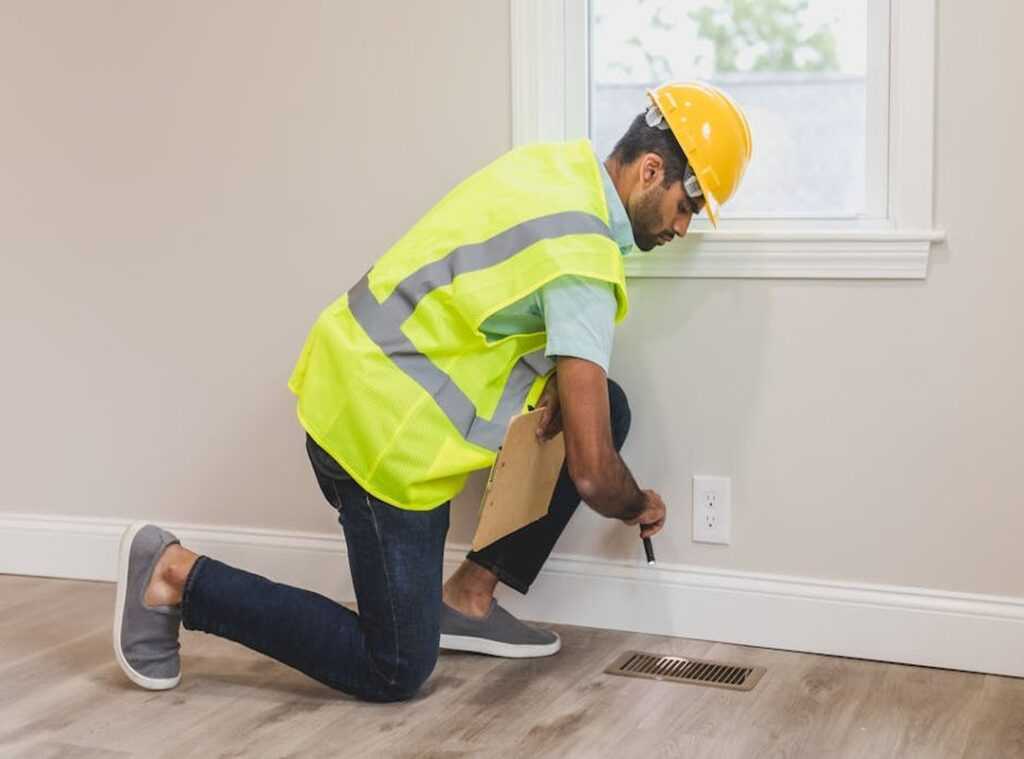
I forget things. Like changing the air filter. Or testing the smoke detector.
You do too.
It’s not lazy. It’s life. You get busy.
You think I’ll do it next week. Next week becomes next month. Then you’re paying $800 to fix a furnace that choked on dust.
A Building Checks Appchousehold fixes that. Not with magic. Not with complexity.
With reminders. With dates. With a place to check off “done”.
This guide walks you through building one. No coding degree needed. No fancy tools.
Just clear steps. One at a time.
You’ll learn how to set up tasks, schedule them, and actually stick to them. You’ll see how a simple app keeps your home running (and) saves money. Because catching small problems early beats fixing big ones later.
You want control over your home’s health. Not chaos. Not last-minute panic.
That’s what this is for. You’ll build something real. And you’ll use it.
Why You Need a Building Checks App
I used to scribble reminders on sticky notes. Then I lost them. Then I forgot the water heater inspection.
(Sound familiar?)
A real Building Checks Appchousehold fixes that. It’s not magic. It’s just a place where checks live instead of vanishing into your brain or your junk drawer.
You check for leaks early. A dripping faucet becomes a warped floor. A small roof leak becomes a mold problem.
You catch it before the contractor shows up with a $4,000 estimate.
Smoke detectors? CO alarms? They don’t last forever.
Batteries die. Sensors go quiet. The app reminds you (so) you’re not guessing whether that chirp means “low battery” or “house is on fire.”
Furnace filters get changed. Refrigerator coils get cleaned. Water heaters get flushed.
These things run longer and cheaper when you do them. Not when you remember to.
Everything lives in one spot. You. Your partner.
Your teen who’s home alone. Anyone can open it and see what’s due.
No more frantic texts at 7 p.m. on Sunday asking, “Did you test the smoke alarms?”
Go check out Appchousehold if you’re tired of playing household roulette.
What Your App Actually Needs
I built a checklist app for my own household.
It started with three things: a list, a checkbox, and a date.
You need those too. Not ten features. Not fancy animations.
Just those three.
A list of tasks. A way to mark them done. A date.
Either when it’s due or when you last did it.
That’s the core.
Everything else is noise until this works.
Categories help. Monthly. Quarterly.
Annually. Seasonal. One-Time.
I slapped those on mine after week two. They made scanning faster. (Turns out “clean gutters” belongs in Seasonal, not Monthly.)
The interface? Keep it dumb-simple. If your cousin’s mom can’t open it and check something in under five seconds, it’s too complicated.
No tabs. No menus inside menus. Just tasks, checkboxes, dates.
Notifications? Nice (but) skip them first. I added reminders after the app ran smoothly for six weeks.
You’ll know when you’re ready. (Hint: when you catch yourself forgetting to water the plants and the app feels boring.)
Start small. Build what you need today. Add more only when the current version feels limiting (not) when you think you might want it someday.
Building Checks Appchousehold means solving real problems. Not stacking features like Legos. What’s the one thing you keep writing on sticky notes right now?
That’s your first feature. Do that first. Then stop.
Then see if it’s enough.
You Don’t Need to Code This

I built my first app without writing one line of code.
And it worked.
You don’t need a computer science degree. You don’t need to memorize syntax. You just need a problem and five minutes.
No-code tools like Glide or AppSheet let you turn a Google Sheet into an app. Drag. Drop.
Connect. Done. (Yes, really.
I watched my neighbor do it while waiting for coffee.)
They pull data straight from spreadsheets. So start there. Organize your info in rows and columns first.
Name your columns clearly. “Task”, “Status”, “Due Date”. That’s your foundation.
The best part? Most of these tools are free to try. No credit card.
No setup fee. Just build and test.
I tried coding it myself first. Wasted three weekends. Then I used AppSheet.
Had something usable in 47 minutes.
Some people say no-code won’t scale. Maybe not. But most household apps don’t need to scale.
They need to work today. Like tracking home repairs. Or managing contractor check-ins.
Or building a simple Building Checks Appchousehold tracker for your renovation.
That’s why I point people to the Home building appchousehold guide (it) walks through exactly that kind of real-world use. Not theory. Just steps.
You’ll hit limits eventually. That’s fine. Learn them when they show up.
Not before.
What’s the smallest version of your app that solves one real thing?
Build that first.
Then improve it. Or toss it. Either way (you’re) learning.
How I Actually Set Up My Household Checks App
I opened Google Sheets and made five columns: Task Name, Frequency, Last Done Date, Next Due Date, Notes. That’s it. No fancy formulas yet.
Just raw data.
I filled in real tasks I keep forgetting (like) checking smoke detectors or cleaning gutters. You know the ones. The ones that wait until 3 a.m. to haunt you.
Then I connected it to Glide. AppSheet works too (but) Glide felt faster for this. No coding.
Just point and click.
I made the app show tasks as cards. Big green button to mark “Done.”
No clutter. No tabs.
Just what I need when I’m holding a dust rag and a phone.
I tested it by adding “Wash garage door tracks” and marking “Change HVAC filter” complete. It worked. Which means it’s ready.
Building Checks Appchousehold isn’t about perfection. It’s about stopping the mental load of remembering. If your spreadsheet lives, your app lives.
Need help picking tasks? I stole mine from the Garage shed guide appchousehold. It’s got the boring stuff you skip (until) something breaks.
Your Home Won’t Wait. Neither Should You.
I built my first household checks list on a napkin.
It worked.
You’re tired of the panic when the water heater leaks at 2 a.m.
You’re sick of forgetting the furnace filter until the air smells weird.
That’s why Building Checks Appchousehold isn’t some abstract idea.
It’s your next 20 minutes with a spreadsheet.
No coding. No pressure. Just one row: “Change HVAC filter (every) 90 days.”
Then another.
Then another.
You don’t need perfection. You need action.
Every task you log is a small win for safety.
Every reminder you set buys you time (and) peace.
This isn’t about being “on top of things.”
It’s about stopping the scramble before it starts.
So open that blank sheet right now.
Type “Gutter cleaning (fall”) or “Smoke detector batteries. June.”
Don’t wait for the pipe to burst.
Don’t wait for the inspector to show up.
Start today. Build what works for you. Then keep going.
Your home deserves consistency.
You deserve calm.
Hit “save” on that first entry.
Then come back tomorrow and add one more.